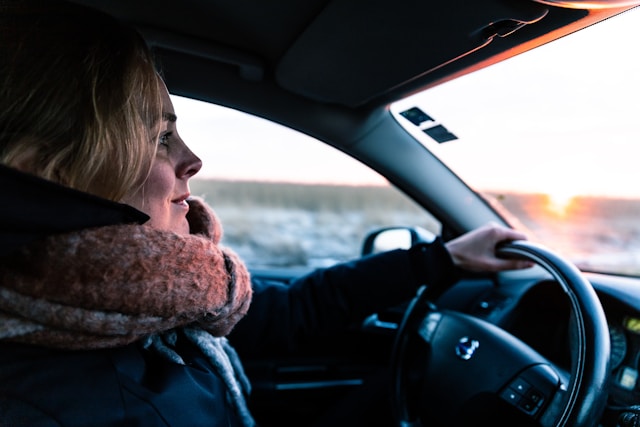
Winter Driving Safety: Essential Guide for Icy Roads
Winter transforms scenic landscapes into picturesque scenes, yet it simultaneously introduces hazardous conditions for motorists. Slick ice patches that are nearly undetectable, combined with intense snowfalls, challenge every journey and demand sharp winter driving expertise.
To safeguard yourself and your fellow passengers, thorough preparation is key for facing any obstacles. Adhere to these detailed guidelines to navigate winter roads with assurance, no matter what challenges arise.
Step 1: Conduct Essential Vehicle Maintenance
Similar to avoiding a marathon without appropriate footwear, never embark on winter drives without ensuring your automobile is fully equipped for severe weather. Prepare your ride meticulously using these proactive maintenance recommendations.
Maximize Visibility
During colder periods, reduced sightlines arise from snow buildup on glass surfaces and dense flurries leading to minimal forward view. Shorter daylight hours extend nighttime travel, heightening low-light driving frequency. Implement these strategies to optimize your road visibility:
- Verify that headlights, taillights, and brake lights remain spotless and operational.
- Confirm high beams project light up to 350 feet ahead, while low beams cover at least 200 feet.
- Replace wiper blades and replenish the washer fluid reservoir with a winter formula resistant to freezing.
- Remove all snow and ice from every part of the vehicle to prevent it from dislodging and obstructing trailing drivers’ vision.
Test Battery and Electrical Components
Automotive batteries rely on chemical processes that cold weather severely hampers, diminishing available power precisely when the engine requires it most.
Have a professional evaluate your battery’s condition and charging capacity. Engage in extended drives of no less than 30 minutes each week to restore full charge. Additionally, deactivate headlights, heater, and radio prior to ignition to lessen startup demands on the battery.
Examine Tires for Optimal Traction
Depart only after confirming these critical tire aspects:
- Tread depth: If Lincoln’s full head appears when placing a penny upside down in a groove, replace tires immediately for safer winter performance with adequate depth.
- Tire pressure: Cold causes pressure drops, impairing grip in underinflated tires. Match PSI to the manufacturer’s specs on the driver’s door sticker.
- Tire type: Upgrade from all-season to dedicated winter tires, featuring specialized treads that enhance hold on snow and ice, minimizing skid potential.
Inspect Brakes for Superior Stopping Power
Reliable braking proves vital on slippery surfaces with limited friction, so maintain peak condition year-round. Monitor brake fluid to stay within advised levels and schedule regular inspections. Test brakes in residential areas prior to highway or extended trips. Be alert for indicators like grinding noises during braking, spongy pedal feel, or uneven pad deterioration.
Step 2: Focus on Personal Well-Being and Alertness
Fatigue contributes to 21% of deadly vehicle collisions and 13% of hospitalizations from crashes. Winter exacerbates this through abbreviated days disrupting rest cycles and amplifying exhaustion. Halt at a secure spot for recuperation upon detecting symptoms such as drooping eyelids, excessive yawning, concentration lapses, or lane wandering.
Set your navigation system and mute your phone pre-departure. Vigilantly monitor for black ice indicators and preceding vehicles via taillights or vapor trails.
Step 3: Hone Specialized Winter Driving Techniques
Nearly 24% of weather-induced accidents occur on frozen, snowy, or slush-covered surfaces, causing over 1,300 fatalities and 116,800 injuries annually. In 2023, these scenarios led to roughly 320 lethal wrecks and 22,290 injuries. Sidestep these grim figures by adapting your approach seasonally.
- Maintain reduced speeds with caution.
- Extend following distance from 3-4 seconds to 8-10 seconds.
- Apply accelerator smoothly to prevent abrupt torque and tire spin.
- Anticipate stops well in advance.
- Direct gaze and steering toward your intended path.
- Execute turns gradually with controlled steering inputs.
- Avoid overconfidence from clear sightlines; sustain conservative speeds.
Step 4: Assemble a Comprehensive Emergency Kit
Maintain a robust ‘go-bag’ in your car, loaded with vital items to escape predicaments and preserve warmth awaiting assistance:
- Durable ice scraper and snow brush.
- Shovel for snow entrapment extraction.
- Sand or cat litter for emergency wheel traction.
- Jumper cables.
- Flashlights plus spare batteries.
- Road flares or reflective warnings.
- Thermal blankets, additional headwear, gloves, and socks.
- Portable power bank.
- Nutrient-dense, shelf-stable foods.
- Water bottles.
Drive Securely Through Winter Months
A meticulously maintained vehicle, attentive operator, adaptive maneuvers, and equipped survival gear form the cornerstone of secure winter motoring. These measures protect occupants in your vehicle as well as fellow road users.