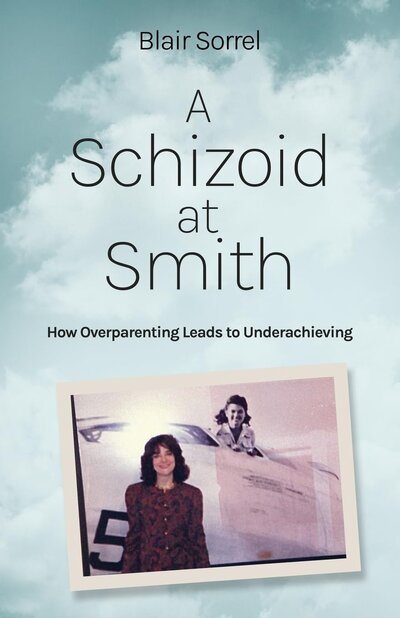
Review: Schizoid at Smith – Memoir of Hidden Battles
Blair Sorrel’s memoir stands out as both a profound revelation and a stark cautionary tale. In Schizoid at Smith: How Overparenting Leads to Underachieving, she delivers a raw and unfiltered narrative about navigating life with schizoid personality disorder—a condition that is so infrequently addressed that those affected often fade into societal invisibility. Unlike typical memoirs that celebrate victories, this one focuses on the gritty reality of mere endurance, the heavy burden of unfulfilled potential even after studying at the elite Smith College. Through her elegant and evocative writing, Sorrel elevates what might otherwise resemble a detached psychological report into a poignant exploration of solitude, misinterpretation, and gradual self-discovery.
The most compelling sections delve deeply into the origins of Sorrel’s condition, tracing them back to intense overparenting practices. Her mother, who served as a WAAC nurse in World War II, enforced strict, regimented routines on daily existence—compulsive cleaning regimens, inflexible social expectations, and a stark emotional restraint that severely hindered young Blair’s ability to form meaningful relationships. Sorrel expertly demonstrates how such excessive parental oversight, even when rooted in good intentions, can irreparably impair a child’s social development. These initial chapters unfold like a chilling psychological drama, depicting how a once-vibrant child’s growth is methodically stifled by the individual tasked with her protection and care.
This book holds immense value due to its scarcity in the genre. Schizoid personality disorder predominantly impacts men, and those who have it rarely pursue treatment, rendering Sorrel’s bold choice to publicly share her story an extraordinary display of courage. She grants readers a rare window into the inner world of emotional aloofness, the draining demands of sustaining professional roles, and the aching isolation of observing others fully engage with life. Her diagnosis in 1988 by the clinician Selma Landisberg marks a pivotal moment—not a path to full healing, but to profound comprehension. The textbook traits, such as a preference for solitude, challenges in conveying feelings, and difficulties retaining employment, finally frame years of confusing hardships in a coherent light.
Sorrel pens her experiences with exceptional insight and stylistic finesse, weaving in striking metaphors and historical allusions that enrich the storytelling far beyond simple autobiography. Her reflections on the Smith College atmosphere during the 1960s and 1970s, the societal pressures on college-educated women, and the painful divide between high expectations and harsh outcomes strike a chord with a broad readership. The stark disparity between her prestigious academic background and her later years of barely scraping by prompts deep contemplation on how mental health challenges disregard status or innate abilities. Infused with sharp humor and tender sorrow, her language avoids victimhood while confronting real anguish head-on.
This work appeals to diverse groups: individuals wrestling with their own tendencies toward withdrawal, mental health professionals aiming to grasp this obscure disorder, relatives dealing with the consequences of authoritarian parenting, and readers curious about the intricate ties between upbringing and psychological well-being. Sorrel fulfills her goal admirably by illuminating a mysterious affliction and suggesting that insight, even absent complete remission, offers a viable path forward. Schizoid at Smith enriches the canon of mental health literature with its unflinching candor, precise articulation, and affirming narrative of perseverance amid unseen adversities.